Two mortgage structures dominate the American market. A fixed-rate loan keeps the same interest rate for the whole term. An adjustable-rate mortgage starts lower and moves with a benchmark after a set period. Both are plain products with terms printed in the paperwork, and the choice between them comes down to how long the borrower expects to keep the loan and how much rate movement the household budget could absorb.
The deciding numbers are four: the starting rate, the adjustment schedule, the caps, and the borrower’s own timeline. Sorting those out takes an hour with a calculator, and it settles the question for most households.
Picking well is mostly arithmetic plus a realistic guess about how long the loan will actually run.
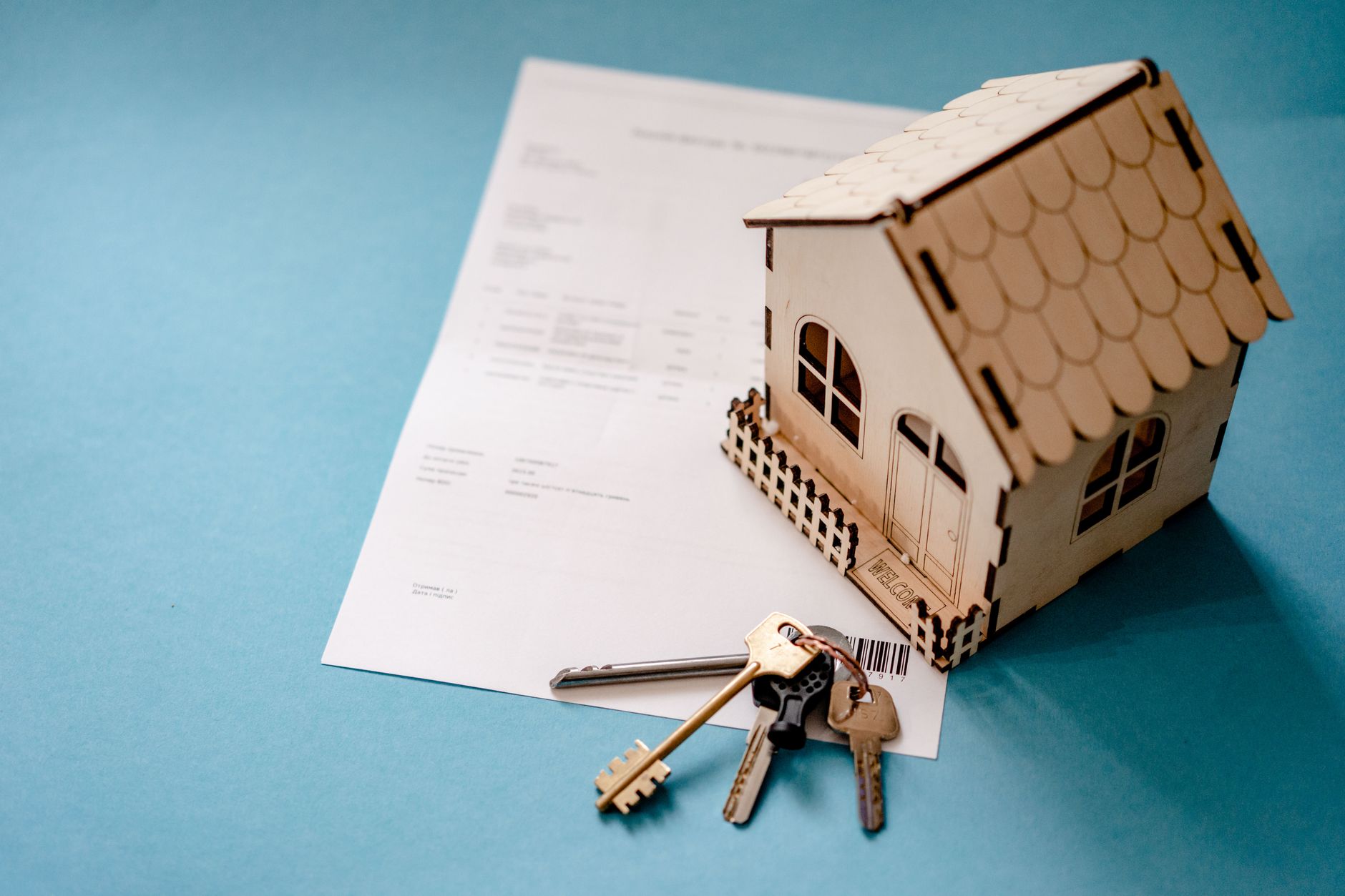
How a fixed-rate loan behaves
The interest rate is set at closing and stays put for the full term. On a 30-year fixed loan, the monthly payment of principal and interest is identical in month one and in month 355, so the housing cost becomes a fixed line in the household budget. Property taxes and homeowners insurance move around it, and those get billed through the escrow account most lenders require.
Fixed rates price in uncertainty. The lender is committing to the same rate for three decades, so the starting rate runs higher than the teaser rate on an adjustable loan. In recent years that gap has typically been somewhere around half a point to a full point at origination, though the spread moves with market conditions.
The 15-year fixed is the other common version. It carries a lower rate than the 30-year and builds equity roughly twice as fast, at the cost of a larger monthly payment. Households that can cover the higher payment without strain save a substantial amount of interest over the life of the loan.
Refinancing is the escape hatch on a fixed loan. When market rates drop, the borrower can replace the loan with a cheaper one. That move costs closing costs, typically a few thousand dollars, so it pays off when the monthly savings recover those costs within a few years. A household that moves before the break-even point comes out behind.
How an adjustable-rate mortgage works
An adjustable-rate mortgage fixes the rate for an introductory period, then resets on a published schedule. The common structures are labeled 3/1, 5/1, 7/1, and 10/1, where the first number is the fixed period in years and the second is how often the rate adjusts afterward. A 5/1 ARM holds its rate for five years, then adjusts once a year.
Each new rate equals a benchmark index plus a margin that is set in the loan documents at origination. The index is typically a published short-term rate, and the margin commonly lands in the 2 to 3 point range. Borrowers can check the index in the newspaper or online on the reset date, which keeps the calculation transparent. The full structure, including the index-plus-margin formula used across the market, is laid out in the Wikipedia entry on the adjustable-rate mortgage.
The opening rate is the marketing number, and it is also the honest one for the introductory period. The question is what happens in year six or year eleven, which is where caps come in.
Rate caps and adjustment periods
Every ARM sold today carries limits on how far the rate can move, and those limits come in three flavors. The initial adjustment cap governs the first reset. The periodic cap governs each reset after that. The lifetime cap sets the ceiling for the entire term. A common structure is written as 2/2/5: the first adjustment can move up to 2 points, each later adjustment up to 2 points, and the rate can never exceed 5 points above the start rate.
Run the ceiling number before signing. On a $350,000 loan at a starting rate of about 5.5 percent, the payment of principal and interest is roughly $1,987 a month. If the lifetime cap is 5 points and the rate eventually reaches 10.5 percent, that payment lands near $3,200. Whether the household budget can absorb that figure is the real test of the loan.
One cap detail worth reading twice: some loans set a first-reset cap larger than the periodic cap, so the biggest single jump lands right after the fixed period ends. The loan estimate form includes a required disclosure showing the maximum payment and rate under the worst case, which is the fastest way to see the ceiling on paper.
Adjustment periods work in the borrower’s favor at each reset as well. If rates fall, the ARM resets downward, something a fixed-rate borrower gets only by refinancing and paying closing costs again.
When the adjustable side has a sensible risk profile
A buyer who expects to sell or refinance within five to seven years pays the low introductory rate and moves on before the first few resets land. That covers relocating for work, buying a starter home, or carrying a loan until a planned cash-out or payoff event. The introductory savings are real money in those cases.
A second fit is a household with rising income. Early-career professionals whose pay is expected to climb meaningfully over the next decade can carry a modest early payment and absorb later resets from a larger salary. The third fit is a borrower who runs the capped worst case against their budget and finds it survivable.
The mismatch is a family buying a forever home on a tight budget with no savings cushion. For that household, the fixed rate buys certainty, and the higher starting payment is a fair price for it.
Questions to ask the lender
Four questions cover the ground. What is the index and the margin? What are the three caps, written as numbers? What would the payment be at the lifetime cap? And how long does this loan realistically run before it gets sold, refinanced, or paid off?
Get those answers in writing on the loan estimate form, then run the arithmetic at home. The right structure is the one whose worst case still fits the budget.